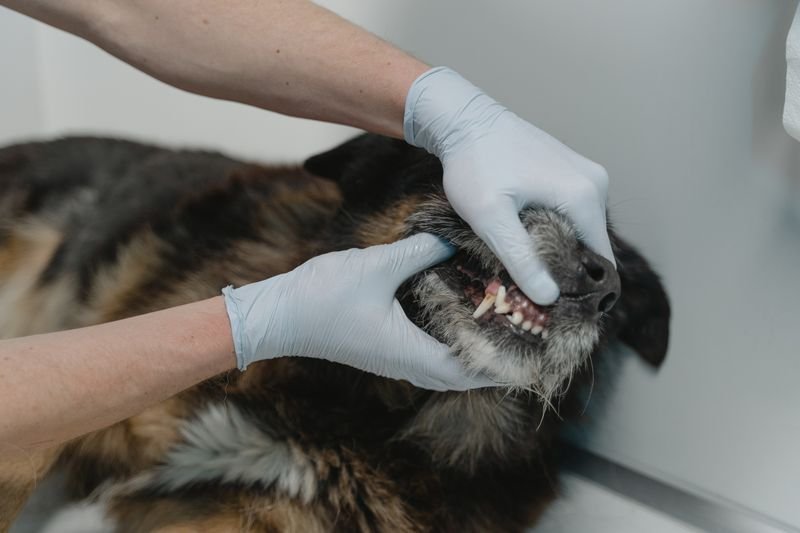
Good oral hygiene is one of the simplest daily habits you can build for your dog — and the statistics show why it deserves a place in your routine. Here are the numbers that make the case, and the role at-home care plays alongside your veterinarian.
The headline statistics
- ~80% of dogs show signs of gum (periodontal) disease by age three, according to the American Veterinary Dental College.
- Gum disease is one of the most commonly diagnosed conditions in adult dogs.
- Small and toy breeds are at especially high risk because of crowded teeth.
Where the problem starts
Oral care matters because of a simple process: soft plaque forms on the teeth, and if it isn’t disturbed it can harden into tartar and irritate the gums. Plaque begins hardening within about 48 hours, which is why day-to-day habits make such a difference at home.
What’s a veterinarian’s job — and what’s yours
Diagnosing and treating gum or periodontal disease is a veterinarian’s role. A licensed vet is the only one who can examine below the gumline, take dental X-rays, perform a professional dental cleaning under anesthesia, remove hardened tartar, and carry out extractions or other treatment. Pawfect Smile is not a veterinary service, and we don’t diagnose, treat or prevent disease — for anything medical, please see your veterinarian.
Your part — the at-home side — is just as important for keeping your dog comfortable between checkups. That’s where we help: with gentle at-home tooth brushing and grooming.
The two habits that support a healthy mouth
For most dogs, a healthy-looking smile comes down to two consistent habits working together:
- Consistent at-home tooth brushing. Brushing with pet-safe toothpaste (never human toothpaste), gauze and floss most days of the week is the single best at-home habit. It supports fresher breath and a brighter, cleaner-looking smile.
- Regular veterinary dental checkups. Your vet monitors your dog’s oral health, catches problems early, and handles anything medical.
How Pawfect Smile fits in
Our mobile spa focuses on the at-home care side: gentle tooth brushing with pet-safe toothpaste, gauze and floss, plus grooming — all while your dog stays awake, with no sedation. It’s cosmetic, at-home care that leaves your dog with fresher breath and a cleaner-looking smile, not a medical treatment. A simple routine looks like this:
- Brush at home most days of the week
- Keep up with regular veterinary dental checkups
- Ask your vet promptly if you notice lingering bad breath, red gums, or changes in how your dog eats
Want help building a gentle at-home routine? See our oral care service or book an oral care & grooming visit in the Bay Area.